La Latina is one of Madrid's oldest and most authentic neighbourhoods. Bordered by the Austrias, Sol-Gran Vía, Lavapiés and Madrid Río areas, it occupies the historic heart of the capital, the main medieval quarter that grew up outside the walls of the Arab fortress of Mayrit, where it still retreats today for a vermouth at 1pm.
Its streets have medieval origins: irregular, narrow, winding layouts opening onto squares that were all once markets. Many of these lanes lay outside the citadel's walls; they were the arrabales (suburbs) of old medieval Madrid, where traders would set up to sell their goods without paying the entry tax.
History & origins
Why is it called La Latina?
The neighbourhood owes its name to Beatriz Galindo (1465–1534), a writer and humanist affectionately nicknamed "La Latina" for her mastery of Latin. An exceptional woman for her time, she served as tutor to Queen Isabella the Catholic and her children, an extraordinary honour for a woman in the Renaissance.
With her husband, Beatriz Galindo founded a hospital in Madrid, located on Calle de Toledo, near Plaza de la Cebada. The establishment became known as the Hospital de La Latina and grew into an important centre of health and charity. Her legacy is so strong that the entire neighbourhood still carries her nickname today.
From Arab Madriti to Christian Madrid
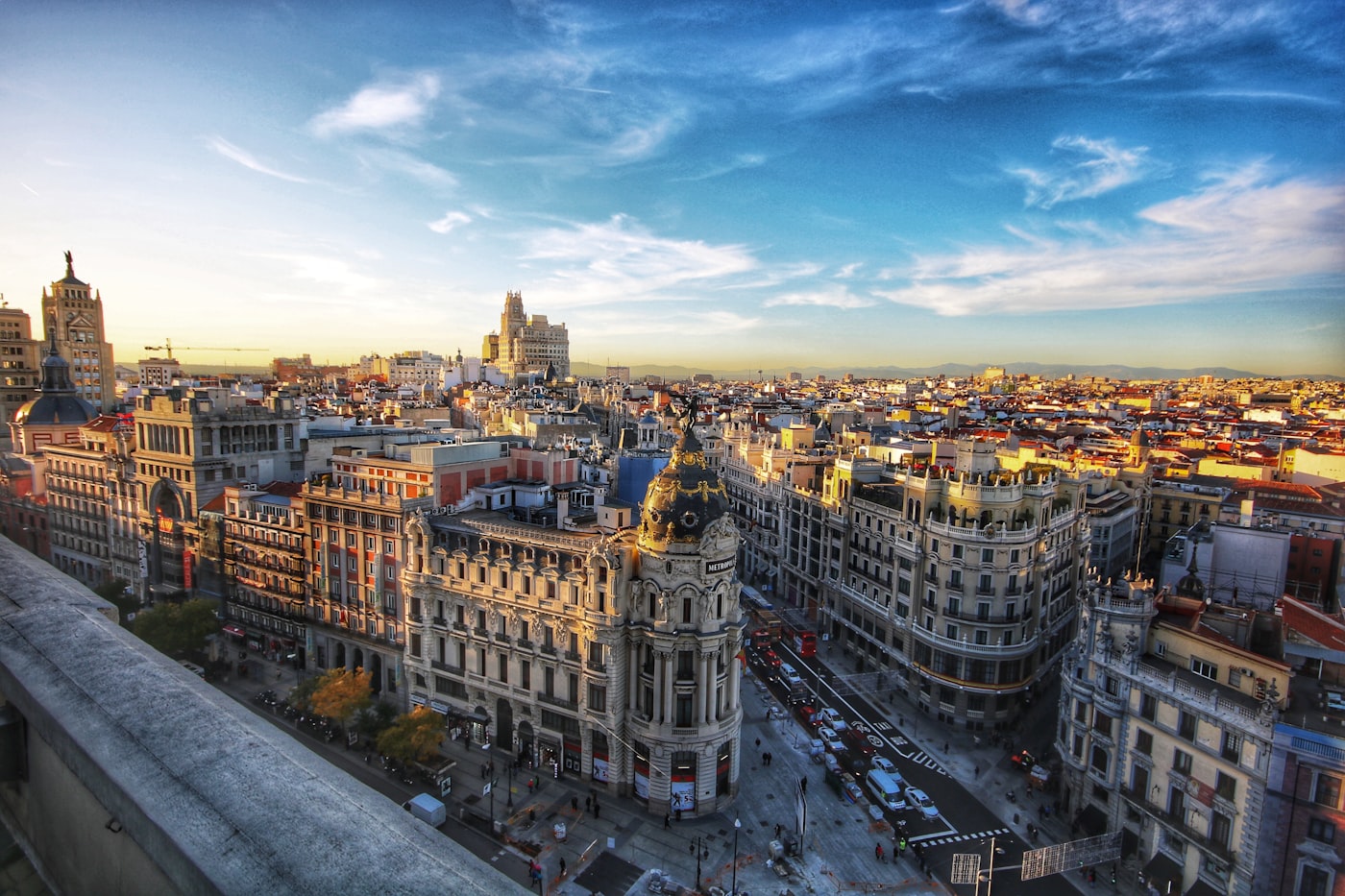
La Latina was the heart of Madriti, the Muslim fortress founded in the 9th century by Emir Muhammad I. The urban palimpsest you walk through today is a weave of Christian and Muslim cultures; every era has left its mark in the stone, the street layout, the names of the squares.
Preserved medieval urban structure
- Plaza de la Cebada: Once a market for abastos (provisions). The name comes from the barley (cebada) traded there.
- Plaza de los Carros: Market of the carts. Traders would park their vehicles here for the duration of the transaction.
- Plaza de la Paja: Straw market, essential for feeding the horses and livestock passing through.
- El Rastro: Madrid's most famous flea market. Its name comes from the rastro (trail) left by the blood of animals led to the butchers' market.
La Latina's urban structure has remained practically unchanged since the Middle Ages: a rarity in Europe. To the untrained eye, it's a maze; in reality, every lane follows an old trade route, and every square carries the name of what was sold there 800 years ago.
Heritage & architecture
Surviving medieval architecture
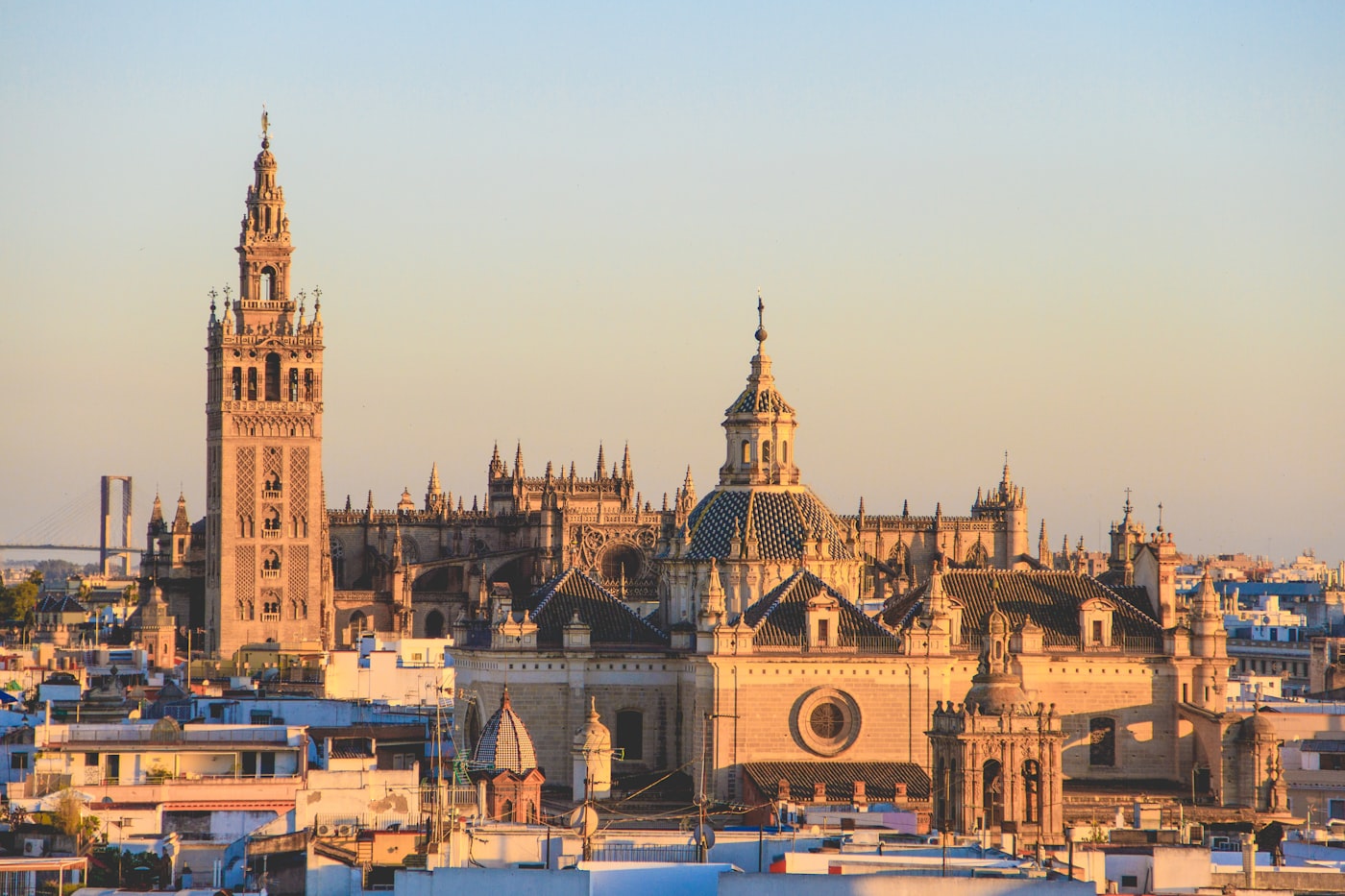
The streets of La Latina retain their original medieval layout: a genuine open-air urban museum. These narrow, winding calles follow the old trade routes, creating a picturesque maze that makes any paper map useless.
Iconic streets
- Calle Mayor: The main thoroughfare, running dead straight since the Middle Ages. It links Plaza Mayor to the Royal Palace.
- Calle Toledo: A historic route connecting the neighbourhood's various markets.
- Calle Nuncio: Lined with art galleries and small independent shops.
- Calle Almendro: A picturesque lane, home to the neighbourhood's most authentic traditional restaurants and vermouth bars.
- Calle Segovia: Spectacular views over the Royal Palace and the Sabatini Gardens, especially at sunset.
Distinctive architectural features
La Latina shows a mixed Christian-Muslim architecture (Mudéjar) reflecting centuries of coexistence before the Reconquista. The churches combine Gothic and Moorish styles; buildings are generally 3–4 storeys, with brick façades, wrought-iron balconies and vaulted doorways. Look up: the geometric motifs above the doors often date from the 14th century.
In La Latina, you don't visit a city, you walk through a thousand years on foot.Madrid architecture guide, Colegio de Arquitectos de Madrid
Attractions & landmarks
Major religious buildings
Real Basílica de San Francisco el Grande
Basilica · 18th c.A basilica built in the 18th century. It has one of the largest domes in Europe (33 metres in diameter and 58 metres high), covering a circular nave unique in Spain.
Art collections: an important museum with 17th- to 19th-century paintings. Works by Zurbarán and Goya, notably La Predicación de San Bernardino de Siena (1784). A 4,200m² botanical garden with more than 21 rose varieties.
Museo de San Isidro: The Origins of Madrid
Museum · 17th c.A 17th-century house converted into a museum. A space dedicated to the prehistory and archaeology of Madrid from the earliest times.
Collections: Madrid's archaeological heritage, material and spiritual evidence of successive cultures, art and traditions linked to San Isidro (patron saint of Madrid). The only museum showing everyday life in pre-urban Madrid.
Iglesia de San Andrés
Church · 14th c.A Gothic-Mudéjar church from the 14th century, representative of the period of Christian-Muslim coexistence. The Capilla del Obispo (15th c.) has Baroque altars. Late Gothic style with Moorish influences visible in the carved motifs.
Less touristy than Madrid's grand churches. An authentic place of worship with a regular local congregation; step in quietly in the morning.
Capilla del Obispo
Chapel · 16th c.A Renaissance chapel from the 16th century, a late Gothic architectural gem. The only example of Renaissance decoration in Madrid. An exceptional Plateresque façade with carved detail, an interior with ornate vaulting and historic altars.
Rarely visited, viewing by appointment only, but architecturally remarkable.
Plaza Mayor
Square · 17th c.Built during the reign of Felipe III, completed in 1619. The second-largest square in Spain (129 × 94m). A site of markets, bullfights, public executions and royal celebrations for 400 years. Today, restaurants and café terraces.
Sunday: a stamp and coin (numismatic) market all morning.
Mercado de la Cebada
Market · 1867A traditional market since 1867. A 19th-century metal structure. An active food market, with local vendors trading across generations. Fresh fruit & veg, meat, traditional cheeses, olives, farm produce.
An authentic local market, not very touristy. A Madrid meeting point: mornings mean a crowd of locals shopping for lunch.
Remnants of the Arab walls
Fragments of the 11th-century Arab wall survive in various spots around the neighbourhood. A short stretch visible near the Iglesia de San Andrés and Calle Mayor recalls the era when Madrid was a Muslim fortress named Madriti.
El Rastro: a historic flea market
El Rastro is Madrid's most famous flea market, running since the Middle Ages. Its name comes from the rastro (trail) left by the blood of animals led to the medieval butchers' market. Every Sunday from 9am to 2pm, thousands of vendors of bric-a-brac, vintage clothes, antiques and souvenirs fill the streets.
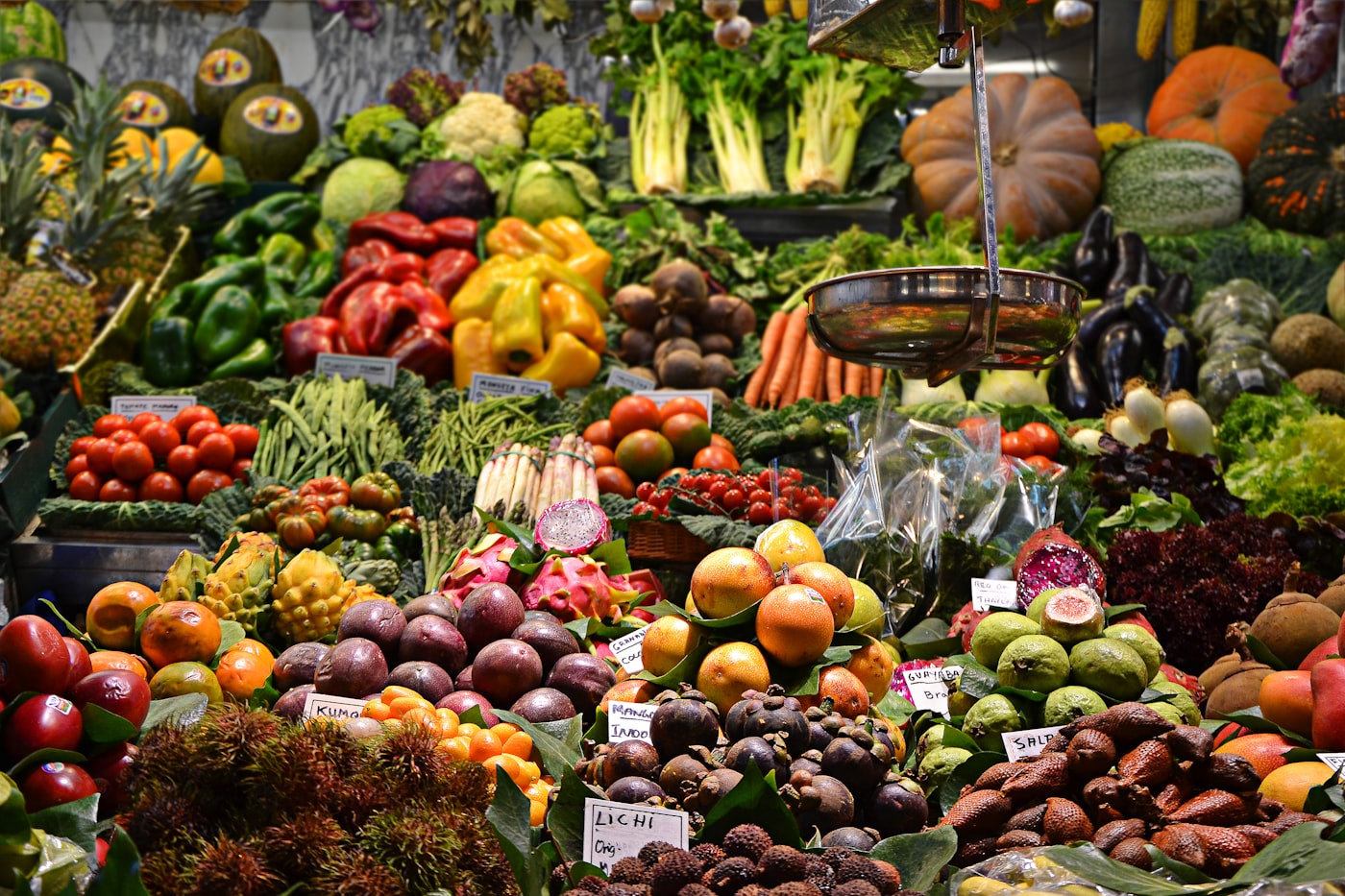
El Rastro draws more than 100,000 visitors on a fine Sunday. Arrive before 11am to beat the crowds and find the best pieces. Metro Sol or Lavapiés, then a 5-minute walk.
Culture & living traditions
La Verbena de la Paloma
Every year on 15 August, La Latina comes alive with the Verbena de la Paloma: a traditional festival dating back to the 18th century. Live music, folk dancing, regional costumes, traditional food and a funfair atmosphere.
It's a celebration of the soul of Madrid: locals in traditional dress (chulapo and chulapona), streets decked with paper lanterns, gypsy bands, beer and vermouth flowing freely. A unique immersion in authentic Madrid culture; many Madrileños consider this their true national holiday.
The tapas and vermouth way of life
La Latina is the heart of tapas culture and vermouth on tap: a tradition dating back to the 19th century. Between 7pm and 9pm, the terrazas fill with Madrileños coming to enjoy a glass of vermouth with an olive and anchovy, alongside small raciones.
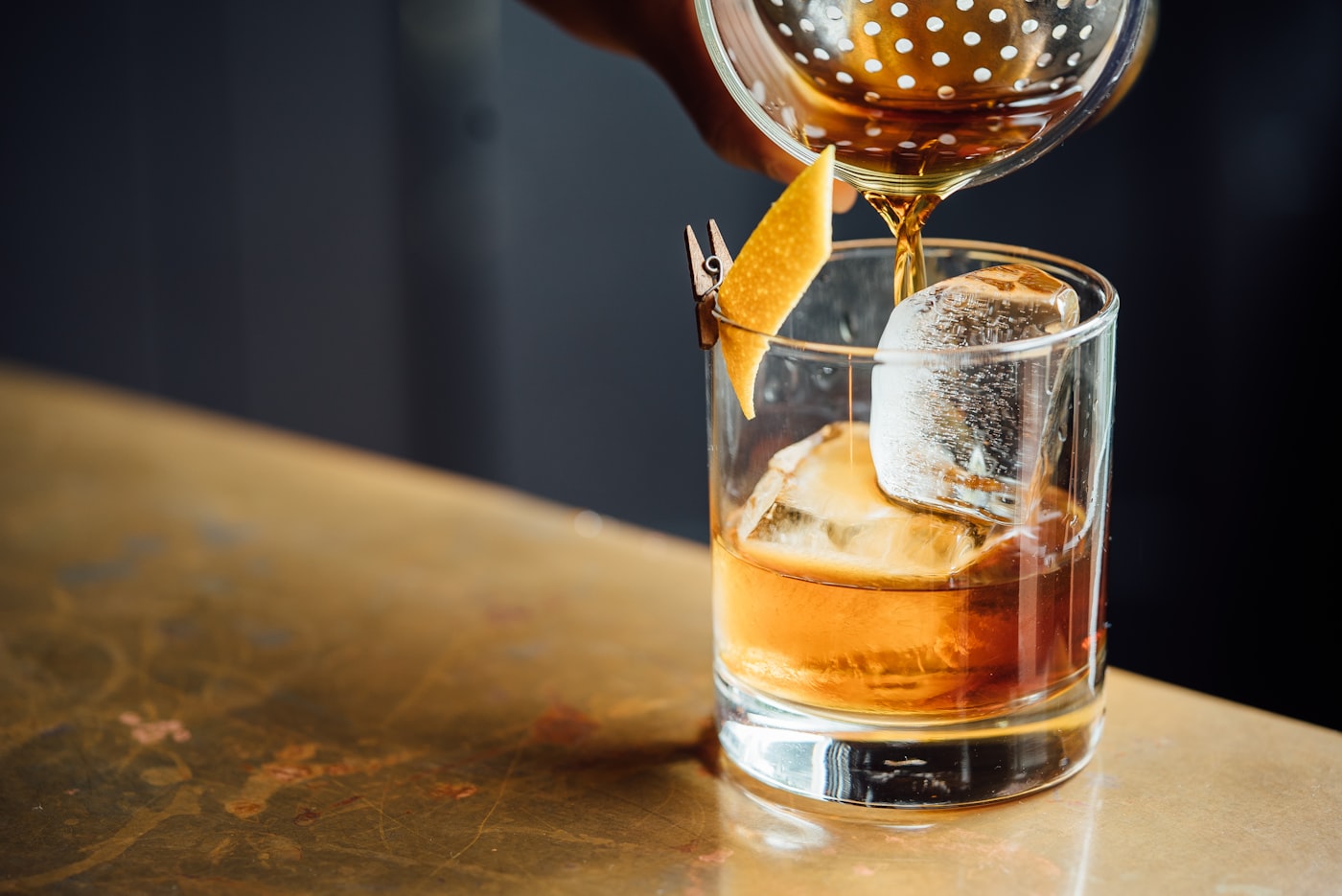
This practice, known as ir de vermut, is a major social ritual. The historic vermuterías are places where generations of friends meet up. Politics, love, sport, life itself — it's all discussed there.
Suggested itinerary · a full day
Morning · 9am–1pm: History & architecture
- Start at Plaza Mayor. Coffee on a terrace, taking in the architecture, first photos.
- Visit the Museo de San Isidro. Get to grips with the origins of Madrid.
- Wander the medieval streets (Nuncio, Almendro, Segovia). Get deliberately lost: it's the best way to discover the neighbourhood.
- Capilla del Obispo and Iglesia de San Andrés. Gothic-Mudéjar architecture side by side.
Afternoon · 2pm–7pm: Market & culture
- A light lunch at one of the small restaurants. Cocido madrileño or simple tapas.
- Mercado de la Cebada. A traditional market, local freshness, vendors trading for three generations.
- Art galleries and vintage shops on Calle Nuncio.
- Head up Calle Segovia for photos of the Royal Palace and the Sabatini Gardens in the low evening sun.
Evening · 7pm onwards: Traditions & nightlife
- 7pm–9pm. Aperitivo. Vermouth on tap at a historic vermutera, with tapas.
- 9pm–11pm. Traditional dinner. Small local restaurants, never a chain.
- 11pm onwards. Night bars, clubs, terraces under the stars. Vida nocturna madrileña.
Frequently asked questions
What's the best time to visit La Latina?
| Factor | Best choice | Avoid | Why |
|---|---|---|---|
| Season | April-May · Sept-Oct | July-August | 18-25°C vs 35°C+. Fewer tourists, a more local atmosphere. |
| Day | Wed-Thu | Saturday evening | Fewer crowds. El Rastro on Sunday remains a must. |
| Time | 4pm-7pm aperitivo · 9pm+ dinner | 4pm-8pm for restaurants | Kitchens closed during siesta. Aperitivo is the soul of the neighbourhood. |
| Event | 15 August: Verbena de la Paloma | N/A | A unique folk immersion, traditional costumes, funfair atmosphere. |
How long does it take to visit La Latina?
Minimum: 3-4 hours for the essentials (Plaza Mayor, medieval streets, one church).
Ideal: 6-8 hours with museums and shopping.
Recommended: a full day: history in the morning, shopping in the afternoon, aperitivo, dinner, night out. It's the only way to truly feel the soul of the neighbourhood.
How do you get to La Latina?
| Method | Details | Time & cost |
|---|---|---|
| Metro | Line 5 (Sol, the closest). Line 1 (La Latina). | 1-2 min · $2 |
| On foot | 15 min from Sol, 10 min from Plaza Mayor. A compact, walkable neighbourhood. | 10-15 min · Free |
| Bus | Lines 3, 25, 39, 50, 80 serve the neighbourhood. | 2-5 min · $2 |
What budget should you plan for per day?
| Profile | Budget/day | Accommodation | Meals & activities |
|---|---|---|---|
| Backpacker | $27-$38 | Hostel $9-$13 | Tapas + market $13-$19, free sites |
| Comfortable | $64-$109 | Small hotel $33-$54 | Mid-range restaurants + museums $21-$43 |
| Premium | $162+ | 4★ hotel $87-$130 | Gourmet restaurants $64-$109 |
For a 7-night stay, Stayforlong rates drop by up to −50% on accommodation. GBP prices on this page are converted from EUR at an approximate rate (27 Aug 2026) — to be reconfirmed before publication.
Is La Latina safe at night?
Yes, very safe. The neighbourhood stays lively until 3am. A few standard precautions all the same:
- Pickpockets are active in crowds: keep your phone and wallet visible.
- Avoid isolated lanes after 2am.
- Plaza Mayor stays lively and safe, even late.
- Better in a group; if you're on your own, stick to busy routes.
Vermouth on tap: why is it special?
Spanish vermouth poured straight from barrels on tap, not from a bottle. A Madrid tradition since the 19th century. Served at 4-5°C with an ice cube and an olive or anchovy. A dry, herbaceous taste, less sweet than French vermouth.
Bar El Anciano Rey de los Vinos (since 1909) remains the go-to address; expect a queue on Saturdays before 1pm.
El Rastro: when and how?
Every Sunday from 9am to 2pm. A flea market running uninterrupted since the Middle Ages. 100,000+ visitors on a fine summer Sunday. Arrive before 11am to beat the crowds and find the best pieces: vintage clothes, antiques, bric-a-brac, souvenirs. Access via Metro Sol or Lavapiés.